Best Vacation Rental Investment Markets
Updated September 30, 2026 · 9 min read
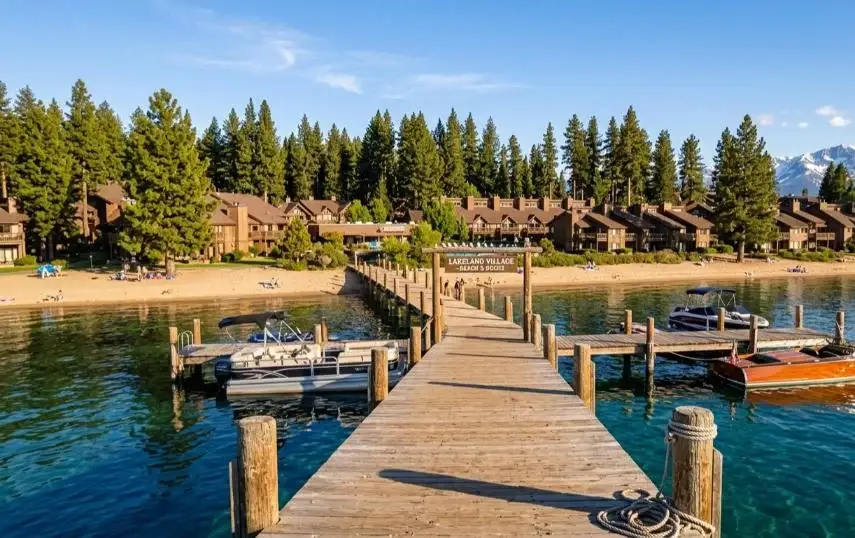
AirDNA's 2026 top markets are cheap Texas and Midwest towns yielding ~14%. Leisure markets like Lake Tahoe yield less; judge them on permits, seasons and price.
The short answer: the "best" vacation rental investment market depends on what you want from the property. If you want the highest income relative to price, AirDNA's 2026 ranking points to affordable, mostly non-destination markets like Port Arthur, Texas, where projected yields ran near 14%. If you want a place you'll also use and that has held its value, leisure markets such as Lake Tahoe make more sense, but they yield much less, and their permit rules matter more than any ranking.
This guide explains what the national rankings measure, how to compare markets yourself, and where Lake Tahoe fits, with the permit rules for each part of the lake as of September 2026. We manage 41 homes on the North and West Shore of Lake Tahoe, so the Tahoe detail comes from the jurisdictions we work in.
This is general information, not investment, tax or legal advice. Every rule below links to its official source, and rules around Tahoe change often, so check the current version.
Best vacation rental investment markets for 2026: AirDNA's ranking
AirDNA's Best Places to Invest in Short-Term Rentals in 2026, released January 27, 2026, is the most cited national list (AirDNA release). Its top ten:
- Port Arthur, Texas
- Abilene, Texas
- Downtown Saint Paul, Minnesota
- Charleston, West Virginia
- Springfield, Illinois
- Lake Charles, Louisiana
- Montgomery, Alabama
- Akron, Ohio
- Lebanon, Pennsylvania
- Jackson, Mississippi
Across those ten, AirDNA put the average home price at about $296,000, annual revenue potential at about $40,500, and yields near 14%. Its method compares the rental income homes listed for sale on January 1, 2026 could earn with their asking prices, and also weighs demand, booking frequency and revenue growth. AirDNA also publishes breakout lists by budget and by demand driver (beach, lake, mountain, ski and others).
Why most of these aren't vacation markets
AirDNA says these markets rank high because of low entry prices and year-round demand from work, healthcare, education, government and military travel. That is a different business from a lake house or ski cabin: guests are often on weekday work trips, stays are practical, and you are unlikely to want to spend your own vacation there. If you're buying partly for your own use, this list answers a different question from yours.
What about Vrbo's 2026 list?
Many searches ask for Vrbo's best investment markets. Vrbo does not publish an investment ranking. Expedia Group's Unpack '26 trend report, which covers Vrbo, highlights destinations where traveler searches grew. Growing interest is useful to know, but it measures popularity, not what a buyer earns on the purchase price.
How to evaluate a vacation rental investment market
Five things separate a market worth buying into from one that only looks good in a ranking:
- Income relative to price. A market can have high nightly rates and still be a poor buy if prices are higher still. Compare net operating income with price (the cap rate) and with your mortgage rate. Freddie Mac's weekly average for a 30-year fixed was 7.03% on September 24, 2026 (Freddie Mac PMMS).
- Seasonality. Does demand come from one short season or several? A market that books only for a summer season has to earn the year in a few months.
- Permit availability and stability. Is a permit available now, does it transfer when you buy, and how often has the local government changed the rules?
- Operating costs. Insurance, snow or storm exposure, HOA dues, lodging tax administration, and how far you are from the property.
- Your own use. If you'll spend weeks there yourself, value that honestly. It is a real return, just not a cash one.
Our guide to how to value a vacation rental property shows the math for a single house, including a worked example of cap rate and cash-on-cash return.
The leisure-market peer group
Buyers looking at Lake Tahoe usually compare it with other drive-to or fly-to leisure markets rather than with AirDNA's top ten. How they differ, in general terms:
| Market | Main seasons | What to check |
|---|---|---|
| Lake Tahoe (CA/NV) | Summer lake season and winter ski season; quieter spring and late fall | Permit caps vary by jurisdiction; high prices; snow, wildfire insurance |
| Great Smoky Mountains (TN/NC) | National park visitors across much of the year | Lower prices; large supply of cabins competing for the same guests |
| Outer Banks (NC) | Mostly summer | Hurricane and flood exposure and insurance; short peak season |
| Park City (UT) | Mostly winter, with a summer season | Very high prices; HOA and resort rules |
None of these is best for everyone. Tahoe's advantage is two strong seasons and a location many owners want to use themselves; its disadvantages are price and permits.
Why Lake Tahoe makes many buyers' shortlists
Many resort markets depend on a single season. Tahoe has two. Summer brings swimmers, boaters and hikers to the lake and its beaches. Winter brings skiers to Palisades Tahoe, Northstar, Diamond Peak, Mt. Rose, Heavenly and others. The quiet stretches are late spring and late fall. It is also within driving distance of the San Francisco Bay Area, Sacramento and Reno, with Reno-Tahoe International Airport about an hour from the North Shore. See the best time to visit Lake Tahoe for what each month is like.
The other side of that is price. Lake Tahoe homes are expensive compared with the rent they earn, so cap rates are usually below today's mortgage rates. Most Tahoe buyers are paying for location, scarcity and their own use as well as the income. Buying with that in mind leads to far fewer surprises.
Lake Tahoe short-term rental rules by jurisdiction (September 2026)
Lake Tahoe is split between two states and several local governments, and each runs its own rental permit program. The Tahoe Regional Planning Agency sets regional guidelines that local programs are scored against, but does not issue permits (TRPA).
| Jurisdiction | Areas | Cap and status |
|---|---|---|
| Washoe County, NV | Incline Village, Crystal Bay | Permit required; no numeric cap (Washoe County) |
| Placer County, CA | Kings Beach, Tahoe Vista, Carnelian Bay, Tahoe City, Homewood, West Shore | 3,900 non-owner-occupied permits; once reached, new non-owner-occupied rentals limited to 30-night minimums (Placer County) |
| Town of Truckee, CA | Truckee | 1,255 cap reached; waitlist (Town of Truckee) |
| City of South Lake Tahoe, CA | South Lake Tahoe | 900 permits in residential zones under Ordinance 2026-1203 (effective April 23, 2026); new applications placed on a waitlist from August 21, 2026; tourist core and commercial zones not capped (City of SLT) |
| El Dorado County, CA | Unincorporated basin outside the city (Meyers, Christmas Valley, south West Shore) | 900 permits with a 500-foot buffer between rentals and a waitlist when full (Ordinance 5135) |
| Douglas County, NV | Tahoe Township (Glenbrook to Stateline and Kingsbury) | 600 permits, plus neighborhood density limits; waitlist by lottery once full (Douglas County) |
What changed in South Lake Tahoe
South Lake Tahoe's Measure T, passed by voters in November 2018, phased out vacation rental permits in residential areas. A court struck it down in March 2025 and the city did not appeal. The city then adopted a new ordinance, effective April 23, 2026, replacing the old rules with a 900-permit cap in residential zones. Our South Lake Tahoe vacation rental policy guide has the details. It is a good example of why a Tahoe permit should never be treated as permanent.
Confirm the permit before you buy
Before writing an offer, confirm which jurisdiction the parcel is in (some towns, like Tahoma, straddle a county line), whether a permit is available, and whether an existing permit transfers to a new owner. Our Lake Tahoe STR permit guide covers the North Shore process, and occupancy rules explains how permits limit guest counts.
North Lake Tahoe vs South Lake Tahoe for investors
For a new buyer who wants to rent short-term, the North Shore currently has the clearer path: Washoe County has no cap, and Placer County's cap had not been reached at its last published count. On the South Shore, the city began waitlisting new residential-zone applications in August 2026, and El Dorado County and Douglas County both run capped programs with waitlists. Tahoe's two shores also feel different to guests: the South Shore has the casinos and Heavenly, while the North Shore is quieter and more residential. Our guide to investing in North Lake Tahoe goes town by town.
Tahoe vacation rental costs to budget for
Lodging tax
Guests pay lodging tax on top of rent, and you or your manager collect and file it. In Placer County it is 10% (8% countywide plus 2% only in North Lake Tahoe, Placer County) plus a Tourism Business Improvement District assessment. In Washoe County it is 13% room tax. Other Tahoe jurisdictions set their own rates. Lodging tax is not income; take it out before you calculate returns.
Management and channel fees
Get written quotes and compare what each manager includes, not just the percentage. Channel fees matter too: Airbnb charges most hosts who use property management software a single host fee of 15.5% (Airbnb), and Vrbo's pay-per-booking model is a 5% commission plus 3% payment processing as of 2026.
Snow, insurance and upkeep
Snow removal is a cost beach markets don't have: plowing, shoveling and sometimes roof and deck clearing. Wildfire risk has pushed up insurance costs and made coverage harder to find in parts of the Sierra, so get a real quote for rental use before you commit. Mountain weather, freeze-thaw cycles and frequent guest turnover all wear a house faster. Budget a yearly replacement reserve.
HOA dues
HOA dues and rental rules vary widely. Some associations restrict or prohibit short-term rentals regardless of county rules. Read the CC&Rs before you make an offer; see our Incline Village HOA guide.
Lake Tahoe property types: cabin, condo or luxury home
- Standalone cabins and houses are the classic Tahoe rental. Privacy, a hot tub, a fireplace and room for a group are what most guests search for.
- Condos cost less to buy and share amenities and upkeep, but HOA rules often limit rentals and there is more competition from similar units.
- Luxury and lakefront homes earn the highest nightly rates but carry the highest costs and the narrowest resale market. True lakefront homes are rare.
Match the property to the guests who actually book that area. Occupancy limits, which depend on bedrooms and parking, cap the size of group you can take and therefore your nightly rate.
How much can you really make on a Tahoe vacation rental?
We don't publish revenue estimates, and you should be skeptical of anyone who quotes one for a house they haven't seen. Market-wide averages mix condos with lakefront estates, blocked owner nights with bookings, and often hotels with homes. The reliable way to estimate a specific home's income:
- Get 24 months of the seller's platform payout reports and occupancy tax filings.
- Track five to ten similar permitted homes' calendars and nightly prices through the year.
- Build the year month by month, subtract your own nights, and remove lodging tax and pass-through fees.
- Subtract every operating cost, including a replacement reserve, and compare the result with your loan payment.
Tax treatment of personal use
Under federal rules, if you rent a home you also use as a residence for fewer than 15 days in a year, you don't report the rent. If your personal use is more than the greater of 14 days or 10% of the days rented at a fair price, deductions for rental expenses are limited (IRS Topic 415). Nevada has no state personal income tax; California taxes rental income from California property. Plan with a CPA.
Hidden risks of a Tahoe vacation rental
- Regulation. The biggest variable. Caps, waitlists and minimum-stay rules have changed in nearly every Tahoe jurisdiction since 2021.
- Negative leverage. If the cap rate is below your mortgage rate, the rental won't cover the loan.
- Insurance and wildfire. Costs and availability can change at renewal.
- Winter damage. Frozen pipes, ice dams and snow load. The house needs heat and checks all winter.
- Competition. Plenty of homes rent here. Condition, photos, reviews and pricing decide which ones book.
Self-manage or hire a property manager?
Self-managing can work if you live nearby, can handle a lockout at midnight or a failed water heater the same day, and are comfortable with pricing tools and constant guest messages. Both North Shore counties also require a local contact who can respond quickly; Placer County requires one reachable 24/7 within 35 driving miles.
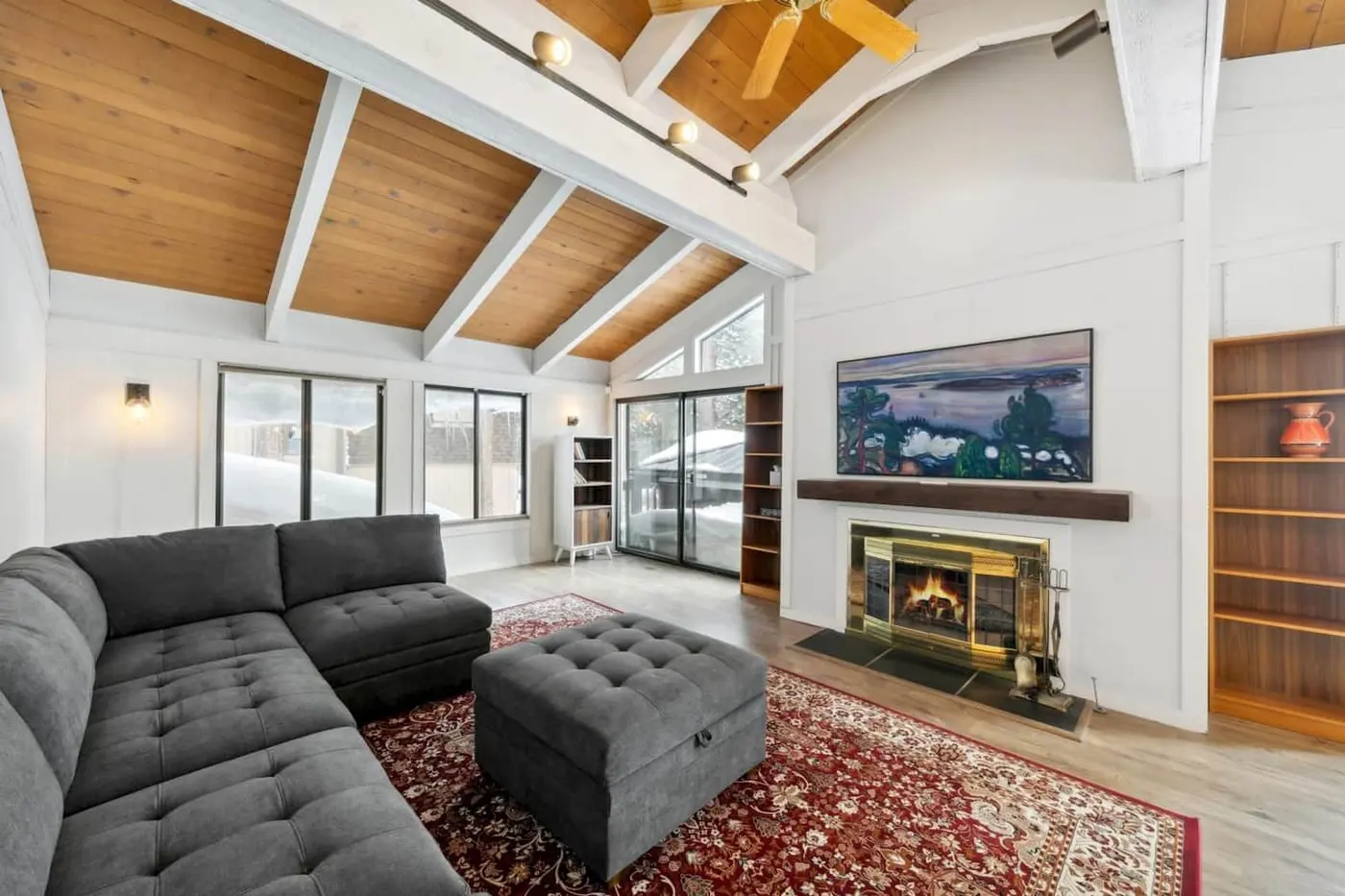
A manager makes more sense if you live away from Tahoe, own more than one home, or don't want ownership to become a second job. If you own or are buying on the North or West Shore, see Tahoe property management or Incline Village property management, or contact us about a specific house. If you are still looking, Real Estate Tahoe, our sister brokerage, can check permit status and sold comps on any listing before you make an offer.
Questions
What is the best vacation rental market in 2026?
By AirDNA's 2026 ranking, published January 27, 2026, the top markets are affordable, mostly non-destination places led by Port Arthur and Abilene, Texas, where the average home in its top ten cost about $296,000 and projected yields were near 14%. For leisure destinations the answer depends on your budget, how you'll use the home, and the local permit rules.
Did Vrbo publish a list of the best investment markets for 2026?
Not an investment ranking. Expedia Group's Unpack '26 trend report, which covers Vrbo, highlights destinations where traveler search interest grew. That measures popularity, not return on a purchase. For investment returns, look at income relative to price for a specific property.
Is Lake Tahoe a good vacation rental investment?
It can be, but mostly as a mix of rental income, appreciation and personal use. Home prices are high relative to rental income, and most jurisdictions around the lake cap permits. Washoe County (Incline Village) has no cap and Placer County's 3,900 cap had not been reached at its last published count.
Are short-term rentals legal at Lake Tahoe?
Yes, with a permit, but every jurisdiction runs its own program. Truckee's cap is full with a waitlist, South Lake Tahoe caps residential-zone permits at 900 and began waitlisting new applications in August 2026, El Dorado and Douglas counties are capped, Placer County is capped at 3,900 and Washoe County has no cap. Confirm the rules for the exact parcel.
How much can you make on a Tahoe vacation rental?
There's no honest single number. Revenue depends on the exact house, its permit, how many guests it can take, and how much you use it yourself. Ask for 24 months of payout reports and occupancy tax filings and compare with similar homes' calendars.
What is the average ROI on a vacation rental?
Averages hide too much to be useful. Calculate the cap rate (net operating income divided by price) for the specific property and compare it with your mortgage rate. If the cap rate is lower, borrowing reduces your cash return.