Lake Tahoe Short Term Rental Permit
Updated September 30, 2026 · 12 min read
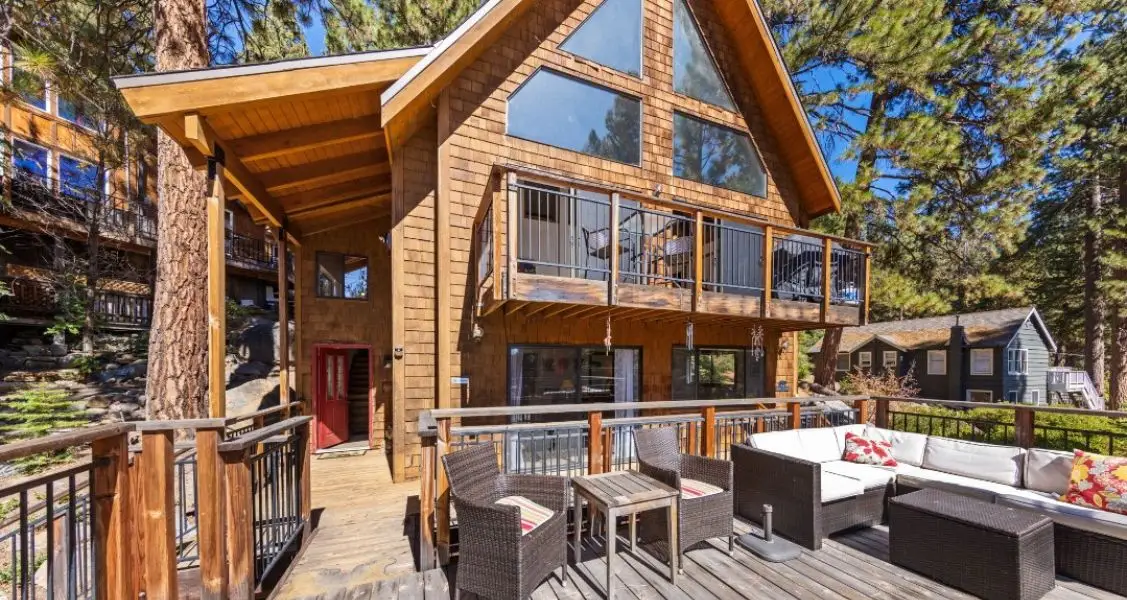
Every Lake Tahoe county requires a short-term rental permit in 2026. Washoe has no cap, Placer caps at 3,900; El Dorado, Douglas and Truckee cap or waitlist.
Yes, you need a permit to rent a Lake Tahoe home for short stays, and where your house sits decides almost everything else. As of September 2026, Washoe County (Incline Village and Crystal Bay) has no cap on permits. Placer County (Kings Beach, Tahoe Vista, Carnelian Bay, Tahoe City, Homewood, Tahoma) caps them at 3,900 and has not hit the cap. The City of South Lake Tahoe started waitlisting new residential applications on August 21, 2026 under its new 900-permit residential cap. El Dorado County's Tahoe Basin combines a 900-permit cap with a 500-foot buffer, Douglas County caps the Tahoe Township at 600, and Truckee is full at 1,255 with a waitlist.
This guide goes county by county: what each one caps, what it charges, how occupancy and parking are set, what the inspections look for, and what happens if you get it wrong. Every number comes from the county, city or regional agency named next to it, with a link. Rules and fees change, often every July, so treat this as a map and check the linked source before you buy, list or renew. This is general information, not legal or tax advice.
Lake Tahoe short-term rental regulations 2026 at a glance
| Jurisdiction | Towns | Cap and status (Sep 2026) | Where to check |
|---|---|---|---|
| Washoe County, NV | Incline Village, Crystal Bay | No cap on permits | Washoe County STR program |
| Placer County, CA | Kings Beach, Tahoe Vista, Carnelian Bay, Tahoe City, Homewood, part of Tahoma, Olympic Valley | 3,900-permit cap, not yet reached; owner-occupied homes exempt from the cap | Placer County STR program |
| City of South Lake Tahoe, CA | South Lake Tahoe city limits | 900-permit cap in residential areas; new residential applications waitlisted from Aug 21, 2026; Tourist Core and commercial zones not capped | City VHR program |
| El Dorado County, CA | Meyers, Tahoma (El Dorado side), Meeks Bay and other unincorporated South and West Shore areas | 900-permit cap in the Tahoe Basin plus a countywide 500-foot buffer; waitlist | El Dorado County VHR division |
| Douglas County, NV | Stateline, Zephyr Cove, Glenbrook, Round Hill, Kingsbury | 600-permit cap in the Tahoe Township with neighborhood density limits; waitlist | Douglas County VHR program |
| Town of Truckee, CA | Truckee, including Tahoe Donner | Cap of 1,255 reached; 324 on the waitlist, about a 19.6-month wait (Sep 8, 2026) | Truckee waitlist standings |
One agency sits over all of them. The Tahoe Regional Planning Agency does not issue rental permits, but its Governing Board adopted short-term rental neighborhood compatibility guidelines on October 23, 2019, and it uses them when it reviews how each local government manages rentals. That is why caps, spacing buffers and complaint hotlines look so similar from county to county.
Incline Village and Crystal Bay (Washoe County, NV)
Washoe County's rules are in Washoe County Code Chapter 110, Article 319, most recently amended by Ordinance 1732 in September 2024. The county's STR FAQ says plainly that there is no cap on the number of permits. There is no minimum stay either, and a short-term rental in Washoe is a stay of less than 28 days. This is where we manage most of our homes, so it is the county we know best: 20 of our 41 homes are in Incline Village and one is in Crystal Bay.
Tiers
Article 319 sorts rentals by maximum occupancy. A Tier 1 rental has 10 or fewer occupants and needs only the standard STR permit. Tier 2 (11 to 20 occupants) also needs an Administrative Review Permit, and Tier 3 (21 or more) needs a Special Use Permit from the Planning Commission. Most Incline homes are Tier 1.
Fees (July 2026 fee schedule)
Washoe updates its Master Fee Schedule every July 1. For a Tier 1 permit in the North Lake Tahoe Fire Protection District, which covers Incline Village and Crystal Bay, the July 2026 totals are:
- Initial permit: $1,352.75, or $1,267.47 when a licensed property manager is the local responsible party.
- Renewal with inspection: $1,079.89, or $999.81 with a licensed property manager.
- Renewal with self-certification: $904.80, or $824.72 with a licensed property manager.
- Changing the local responsible party: $46.80. Changing maximum occupancy: $93.60 without an inspection, $187.20 with one.
The fire district's share is only charged for properties in high or extreme wildland-urban interface fire risk areas. Tier 2 homes pay an additional Administrative Review Permit fee ($1,368 in the Tahoe area on the same schedule).
Occupancy, parking and operating rules
- Occupancy: two occupants for every legally permitted bedroom, plus one occupant for every 200 square feet of the rest of the habitable space. Age makes no difference, and daytime and nighttime limits are the same. Bedrooms must be listed on the Washoe County Assessor's website and meet the safety standards in the ordinance.
- Parking: one on-site parking space for every four occupants, improved to TRPA standards, with no parking in access easements or the road. If you can't fit the spaces, the occupancy drops to match.
- Quiet hours: 10 p.m. to 7 a.m. daily. Two confirmed noise violations within 12 months means you must file a noise management plan and install decibel monitors.
- Trash and bears: rentals in IVGID's service area and other bear-prone areas must use wildlife-resistant carts or bear boxes, except in complexes where the HOA handles trash. Two confirmed trash violations means a bear box becomes mandatory.
- Local responsible party: reachable 24/7 by text or phone, responding within 30 minutes, and able to be at the house within one hour.
- Events: no events, parties or weddings. A party is any gathering over the permitted maximum occupancy.
- Insurance: at least $500,000 of liability coverage per occurrence.
- Advertising: every listing must show the Washoe permit number, the transient lodging tax license number, maximum occupancy, bedrooms, beds, parking spaces, and a note that no off-site street parking is allowed, at the top of the ad. No signs on the property.
- ADUs and one per parcel: one STR per parcel in the Tahoe planning area, and new permits for accessory dwelling units there have been prohibited since the September 2024 amendment. ADU rentals permitted before that date stay valid only while the ownership stays the same.
Inspections and renewal
Before the first permit, the house must pass a Washoe County building inspection against the county's inspection checklist (smoke and CO alarms, egress windows, an extinguisher on each floor, escape ladders for bedroom windows more than 16 feet up, and so on) and a defensible space inspection by the North Lake Tahoe Fire Protection District. The fee includes one courtesy re-inspection; more are billed hourly. Permits last 12 months and renew annually. The county emails a reminder 30 days before expiry, and you can start the renewal 30 days out. If the house has had no confirmed violations in the last 12 months and the permit has stayed active, you can self-certify instead of a physical inspection for up to three renewals.
Taxes, HOAs and penalties
You need a transient lodging tax license from the Reno-Sparks Convention and Visitors Authority, and the tax (13% in Incline Village and Crystal Bay) is collected on every stay. The county's FAQ says it is not a party to HOA CC&Rs, so a Washoe permit doesn't override an HOA that restricts rentals. Our Incline Village HOA guide covers that side. Renting without a permit is a misdemeanor and a public nuisance, fined under Washoe County Code Chapter 125. Three confirmed violations in a year means automatic revocation, and the same owner can't get a new permit for that property for one year.
North and West Shore, California (Placer County)
Placer County's program covers the Eastern Placer County Short-Term Rental Area: Kings Beach, Tahoe Vista, Carnelian Bay, Tahoe City, Homewood, the Placer side of Tahoma, Olympic Valley and Northstar. The ordinance is Placer County Code Article 9.42.
The 3,900 cap and the 30-night rule
The cap took effect March 31, 2022. Renewals get priority, and new applications are processed first-come, first-served until the cap is reached, after which they go on a waitlist that the county reopens quarterly. Owner-occupied homes with a permit and TOT certificate are exempt from the cap. Hotels, motels, condo-hotels and timeshares aren't covered by the article at all.
A December 17, 2024 amendment, effective January 16, 2025, added a use-it-or-lose-it rule: once the cap is reached, each non-owner-occupied rental must be rented at least 30 nights a year to keep its permit. As of September 2026 the cap had not been reached. Real Estate Tahoe, our sister brokerage, counted 3,399 active permits in the county's public permit map on September 27, 2026. Check the map for the live count.
Fees and inspections
Placer's program page lists $326.02 for a new application and the same for a renewal, plus $507.02 for the interior fire-life-safety inspection in county-staffed districts. Both the interior inspection and an exterior defensible space inspection are required for new and renewing permits, each valid for three years, and a permit can be suspended without current passing inspections. The county's fire-life-safety guidelines list what inspectors check. Permits expire 364 days after issue, and you can renew starting 30 days before expiry. Miss the deadline and the permit drops out of the cap inventory.
Operating standards
- Occupancy: nighttime occupancy is two people per bedroom plus two, up to 12, not counting children under 12. Nighttime limits start at 9 p.m. Daytime occupancy is one and a half times the nighttime number.
- Parking: all vehicles, boats and trailers on-site, or a county-approved off-site parking plan. No parking on the road.
- Quiet hours: 9 p.m. to 8 a.m., with no sound audible at the property line. No amplified sound outdoors at any time.
- Trash: a bear box or dumpster sized for at least two containers a week. The application asks for a photo of it with the house number visible. The Tahoe Truckee Sierra Disposal program offers a 0% loan of up to $2,200 for a bear box.
- Local contact: reachable by phone 24 hours a day, living within 35 driving miles, and able to be at the house within 60 minutes. A professional property manager can serve.
- Fire: no charcoal grills, wood fire pits or campfires. Propane grills and fire pits at least 10 feet from structures, and no open flame at all on red flag days.
- Postings: the permit sticker or magnet and the county's Good Neighbor flyer inside the home.
- Units: one STR per property (up to four in town centers). Since April 1, 2025, accessory dwelling units may not be short-term rented.
Ownership changes, taxes and penalties
A sale automatically terminates the permit, and the buyer applies as a new applicant, which means behind any waitlist if the cap has been reached. You also need a transient occupancy tax certificate (10% TOT plus the North Lake Tahoe tourism business improvement district assessment). Penalties under Section 9.42.100 are $1,500, then $3,000, then $5,000 and a revocation hearing, and three notices of violation in 24 months bring a $1,500 citation even if each was cured. A revoked owner can't reapply for two years. The county's 24/7 hotline is (530) 448-8003.
South Lake Tahoe (city limits)
Measure T, which voters passed on November 6, 2018, banned vacation rentals in the city's residential neighborhoods from the end of 2021. On March 13, 2025 an El Dorado County Superior Court judge struck Measure T down in its entirety, and the City Council chose not to appeal. After a temporary moratorium and a year of debate, the council adopted Ordinance 2026-1203 on March 24, 2026. It took effect April 23, 2026.
The new ordinance allows vacation home rentals citywide again but caps residential areas at 900 permits. On August 21, 2026 the city announced that new residential applications go on a waitlist as it approaches that cap. The Tourist Core and commercial zones are not capped. Residential rentals carry extra rules: a property manager at all times, check-in by the manager to confirm the renter is 25 or older, indoor noise and outdoor video monitoring, and a manager who can respond in person within 60 minutes. Our South Lake Tahoe vacation rental policy guide covers the fees, occupancy tables and map links in detail.
El Dorado County (outside the city of South Lake Tahoe)
Unincorporated El Dorado County, including Meyers and the West Shore south of the Placer line, regulates vacation home rentals under County Code Chapter 5.56. The county's VHR division says the current ordinance was adopted November 21, 2024, and its FAQ (revised April 6, 2026) says:
- There is a 900-permit cap in the Tahoe Basin, and on top of it a countywide 500-foot buffer: a parcel within 500 feet of an active VHR can't apply and can only join the waitlist. The county keeps a buffer map, updated nightly.
- A new VHR application is $564 plus a $31 technology fee and a fire inspection fee based on square footage. Renewals are $282, and the waitlist application is $141.
- Permits last one year. The local fire department inspects safety and defensible space every other year.
- Permits don't transfer to a new owner, and the house must be rented at least 10 nights a year to keep the permit.
- At least two on-site parking spaces, no events, and a local contact who lives within half an hour and resolves complaints within 30 minutes.
- Renting without a permit brings a fine plus a one-year bar on applying or joining the waitlist.
Douglas County, NV (South Shore, Nevada side)
Stateline, Zephyr Cove, Glenbrook, Round Hill and Kingsbury are in Douglas County, which caps vacation home rentals at 600 permits in the Tahoe Township and also limits the share of rentals in each neighborhood. When the cap or a neighborhood limit is reached, applications go on a first-come, first-served waitlist with an annual waitlist fee. The county's VHR program pages have the neighborhood density viewer and the current count. Check them before you assume any Douglas address can be permitted.
Truckee (Nevada County)
Truckee isn't on the lake, but buyers often compare it. The town's short-term rental registration cap of 1,255 has been reached. As of September 8, 2026 the waitlist had 324 applicants and an estimated 19.6-month wait. When a slot opens, the next applicant gets 30 days to register. We don't manage homes in Truckee. Our nearest are in Kings Beach and Tahoe Vista, 15 to 25 minutes away.
How to get a permit, step by step
The order is similar everywhere. Here is how it runs in the two counties where we work:
- Confirm the parcel is eligible. Check the county map or buffer map, the HOA's CC&Rs, and whether the unit is an ADU or deed-restricted (neither can be rented short-term in Placer).
- Count your legal bedrooms and parking. Occupancy follows permitted bedrooms and on-site spaces, not how many beds you can fit. A loft or basement bedroom built without permits won't count.
- Fix life-safety items first. Smoke and CO alarms, extinguishers, egress windows, escape ladders, clear defensible space. Walk the county checklist before the inspector does.
- Name your local contact. Someone who meets the county's distance and response-time rules. A licensed property manager also lowers the Washoe fee.
- Apply and pay. Washoe takes applications through its STR permit portal. Placer uses its online application.
- Pass inspections. Building or fire-life-safety plus defensible space.
- Register for lodging tax. An RSCVA license in Washoe, a TOT certificate in Placer.
- List with the required details. Permit number and tax number on every listing, occupancy and parking stated, the house rules posted inside.
- Diary the renewal. Both counties renew annually and let you start 30 days before expiry. A lapse can cost you your place under a cap.
Buying a Tahoe home you plan to rent
The single biggest mistake we see is buying on the seller's permit. In Placer, El Dorado and South Lake Tahoe the permit ends with the sale, and in Washoe you apply for your own. Before you write an offer, check four things: whether the county or city can issue a permit at that address today, what occupancy the legal bedrooms and parking support, whether the HOA allows rentals under 30 days, and what the inspections will want fixed. Real Estate Tahoe, our sister brokerage, runs those checks for buyers on the North Shore, and our North Lake Tahoe towns guide explains how the areas differ.
Where MG can help
MG Vacation Rentals manages 41 homes in Incline Village, Crystal Bay and on the Placer County side of the North and West Shore. We keep permit and tax numbers on every listing and rental agreement, act as the local contact within the counties' response times, handle renewals and inspection prep, and remit lodging tax. If you're weighing a purchase or getting a house ready to rent, start with our Lake Tahoe property management page, or our Incline Village property management page for Washoe County homes. For anything specific, contact us or call (530) 317-0291.
Related reading: maximum occupancy rules for vacation rentals, HOA rules in Incline Village, and North Lake Tahoe vs South Lake.
Questions
Do I need a permit to rent my Lake Tahoe home short-term?
Yes. Every jurisdiction around the lake requires a permit before you advertise or rent a whole home for less than 30 days (Washoe County's definition is less than 28 days). That covers Washoe County (Incline Village and Crystal Bay), Placer County (Kings Beach to Tahoma), El Dorado County, the City of South Lake Tahoe, Douglas County and the Town of Truckee. Advertising without one is itself a violation in most of them.
Which parts of Lake Tahoe still issue new short-term rental permits?
As of September 2026: Washoe County (Incline Village and Crystal Bay) has no cap. Placer County is capped at 3,900 permits and had not reached it. The City of South Lake Tahoe began waitlisting new residential applications on August 21, 2026 as it neared its 900-permit residential cap. El Dorado County's Tahoe Basin has a 900-permit cap plus a 500-foot buffer, so many parcels can only join a waitlist. Douglas County caps the Tahoe Township at 600 with neighborhood limits. Truckee is full at 1,255 with a waitlist.
Does a short-term rental permit transfer when I buy a house?
Generally no. Placer County says a change of ownership automatically terminates the permit, El Dorado County says permits do not transfer to new owners, and South Lake Tahoe requires a new application on any change of ownership. In Washoe County the permit is issued to the owner, so a buyer applies for their own. Never price a purchase on the seller's permit.
How much does a Washoe County STR permit cost in Incline Village?
On Washoe County's July 2026 fee schedule, a Tier 1 initial permit in the North Lake Tahoe Fire Protection District area totals $1,352.75, or $1,267.47 when a licensed property manager is the local responsible party. Renewals are $1,079.89 with an inspection or $904.80 with self-certification (lower with a licensed manager). Fees change every July 1, so check the current Master Fee Schedule.
How much does a Placer County STR permit cost?
Placer County lists $326.02 for a new or renewal permit application, plus $507.02 for the interior fire-life-safety inspection in county-staffed districts. You also need a defensible space inspection and a transient occupancy tax certificate. Check the county's program page for current fees.
What happens if I rent without a permit?
Penalties are real. Placer County's administrative penalties run $1,500, $3,000 and $5,000. Washoe County treats it as a misdemeanor and a public nuisance with fines under county code. El Dorado County adds a one-year bar on applying or joining the waitlist. The platforms also increasingly require a permit number on the listing.